
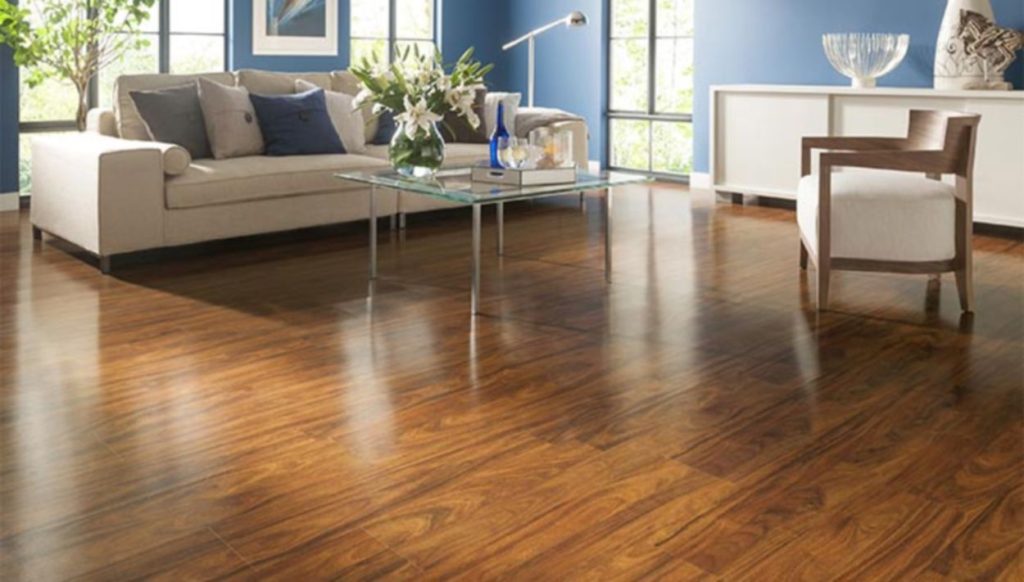
When I first started thinking about upgrading my floors, I had one image in mind—rich, warm real hardwood running through my home. Like many homeowners, I loved the timeless elegance of natural wood. But after weighing the pros and cons, I made a decision I didn’t expect: I went with vinyl hardwood flooring.
Now, months later, I can confidently say it was one of the best home improvement decisions I’ve made. In this blog, I’ll share my journey from real wood dreams to embracing vinyl hardwood flooring, and why I now recommend it to anyone looking for a balance of style, durability, and practicality.
The Appeal of Real Wood Flooring
There’s no denying that real hardwood has its charm. The natural grains, the warmth underfoot, and the unique character of each plank make it a flooring option that stands the test of time. When I walked into showrooms, I was drawn to the traditional oak, maple, and walnut designs.
However, as much as I admired real wood, I couldn’t ignore some practical concerns:
-
High Maintenance – Real wood is prone to scratches, dents, and water damage.
-
Cost – The price tag, both for materials and installation, was significant.
-
Climate Sensitivity – Living in an area with fluctuating humidity meant potential warping and expansion.
The more I thought about it, the more I realized I needed something that could handle daily life without constant worry.
Discovering Vinyl Hardwood Flooring
While exploring alternatives, I stumbled upon vinyl hardwood flooring. At first, I wasn’t sure if it could match the beauty of real wood, but the latest designs completely changed my mind.
Vinyl hardwood flooring is designed to mimic the appearance of real wood while offering incredible resistance to moisture, scratches, and wear. The planks have realistic textures, color variations, and even beveled edges, making them almost indistinguishable from the real thing.
What really caught my attention was how Smart Living Blinds showcased vinyl hardwood flooring in their showroom—it looked luxurious, yet practical for everyday life.
Why I Made the Switch
After comparing both options side by side, here’s why vinyl hardwood flooring won me over:
1. Durability That Fits My Lifestyle
I have a busy household with kids, pets, and constant activity. Real wood would require constant care, but vinyl hardwood can handle dropped toys, pet claws, and even accidental spills without losing its beauty.
2. Water Resistance
One of my biggest worries with real wood was water damage. Vinyl hardwood flooring is water-resistant (and some types are fully waterproof), making it perfect for kitchens, bathrooms, and entryways—places where I would never risk installing real wood.
3. Cost-Effectiveness
Vinyl hardwood costs significantly less than real wood, both in materials and installation. The savings allowed me to invest in other home upgrades without compromising on style.
4. Low Maintenance
Gone are the days of refinishing floors and stressing over every scuff. Vinyl hardwood just needs a quick sweep and occasional mop to look brand new.
5. Comfort and Quiet
Vinyl planks are softer underfoot compared to solid wood, and they help reduce noise—a bonus in a busy home.
The Installation Process
Another reason I went with vinyl hardwood flooring was the ease of installation. While real hardwood requires professional installation, vinyl planks can be installed quickly with click-lock systems or adhesive.
I opted for professional installation through Smart Living Blinds to ensure a flawless finish. The process was straightforward:
-
Measurement and Preparation – The team measured each room and prepped the subfloor.
-
Plank Installation – The planks clicked together seamlessly without visible gaps.
-
Finishing Touches – Edges and corners were neatly trimmed, and the flooring was ready for use the same day.
The Look and Feel
If you walked into my home today, you might not even realize the flooring isn’t real wood. Friends and family have been surprised when I tell them it’s vinyl hardwood. The texture, grain patterns, and warm tones perfectly complement my furniture and interior style.
I chose a light oak finish to brighten the rooms, but vinyl hardwood flooring comes in a wide range of shades—from deep mahogany to weathered grey—making it easy to match any décor.
Environmental Considerations
Sustainability was another factor I considered. While vinyl is synthetic, many brands now use eco-friendly manufacturing methods and recycled materials. Plus, because it lasts for decades without the need for refinishing, it reduces long-term environmental impact compared to real wood that might need replacement sooner in high-traffic areas.
Life After the Switch
It’s been over a year since I replaced my old floors, and I can honestly say I’ve had zero regrets. My vinyl hardwood flooring still looks brand new, even after countless family gatherings, spills, and daily wear.
Some of the things I love most about living with vinyl hardwood include:
-
Stress-Free Cleaning – A quick mop and it shines.
-
Consistent Look – No fading or discoloration in sunlight.
-
Peace of Mind – I don’t panic when my dog runs across the room with muddy paws.
Tips for Choosing the Right Vinyl Hardwood Flooring
If you’re considering making the switch, here are a few tips from my experience:
-
Check the Wear Layer – A thicker wear layer means more protection against scratches and dents.
-
Look for Textured Finishes – These add authenticity to the wood-like appearance.
-
Choose Waterproof for Wet Areas – If you plan to install it in bathrooms or basements, go for fully waterproof vinyl.
-
Test the Color at Home – Lighting can affect how the color looks, so always bring samples to your space before deciding.
-
Buy from Trusted Suppliers – Quality matters, and working with professionals like Smart Living Blinds ensures long-lasting results.
Final Thoughts
Switching from real wood to vinyl hardwood flooring wasn’t just a budget-friendly choice—it was a smart lifestyle decision. I got the beauty of wood without the maintenance headaches, the durability to handle everyday life, and the comfort I didn’t even know I needed.
If you’re torn between real wood and vinyl hardwood, take the time to compare them based on your home’s needs, your lifestyle, and your long-term plans. For me, vinyl hardwood flooring turned out to be the perfect blend of style, durability, and practicality—and I wouldn’t have it any other way.
FAQs
Q1: Does vinyl hardwood flooring look as good as real wood?
Yes, modern vinyl hardwood flooring is designed with realistic textures and patterns that closely mimic natural wood.
Q2: Can vinyl hardwood flooring be used in bathrooms?
Absolutely! Many options are water-resistant or fully waterproof, making them ideal for moisture-prone areas.
Q3: How long does vinyl hardwood flooring last?
With proper care, high-quality vinyl hardwood flooring can last 15–25 years or more.
Q4: Is vinyl hardwood flooring easy to maintain?
Yes, it only requires simple cleaning with a broom, vacuum, or damp mop—no special treatments needed.