
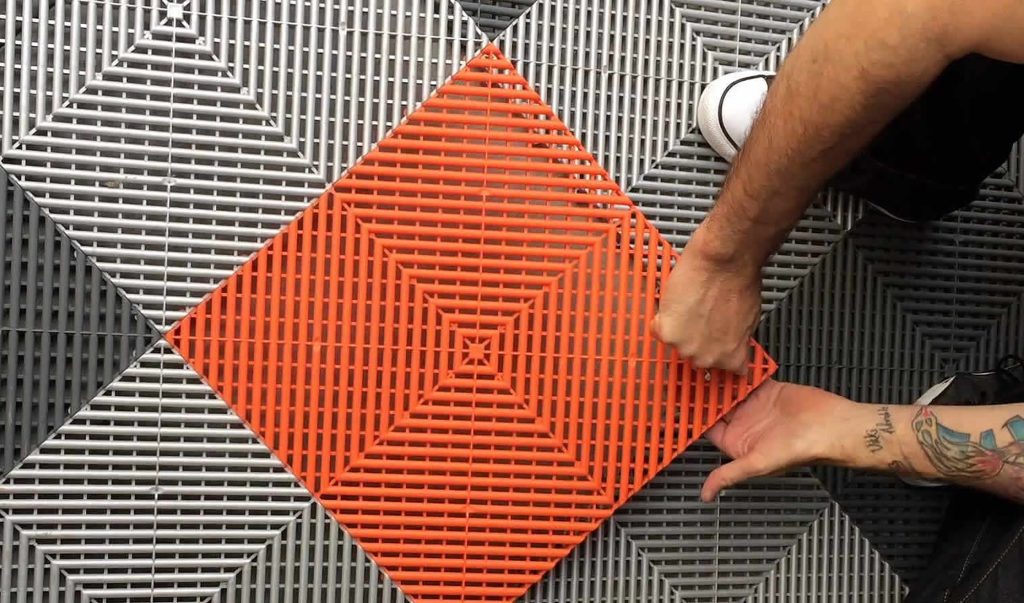
Choosing the right flooring for your home or office is one of the most important decisions in interior design. It affects not only the aesthetic appeal but also the durability, maintenance, and overall comfort of your space. Like many homeowners, I was torn between traditional flooring options—like ceramic tiles, marble, or wood—and newer solutions like interlocking tiles. After careful consideration, I decided to go with interlocking tiles, and it has been a game-changer. In this article, I want to share my personal experience, the reasons behind my choice, and the benefits I’ve enjoyed since installing them.
What Are Interlocking Tiles?
Before diving into why I chose them, it’s important to understand what interlocking tiles are. Unlike traditional tiles that are glued or cemented into place, interlocking tiles have a unique design that allows each tile to “lock” into the next. They are usually made from materials like PVC, rubber, or composite wood, offering flexibility, durability, and ease of installation. The interlocking mechanism eliminates the need for adhesives, making them perfect for DIY installations or spaces where you want a temporary yet sturdy flooring solution.
The Limitations of Traditional Flooring
Before discovering interlocking tiles, I considered conventional flooring options such as marble, ceramic, and hardwood. While these materials have their own charm, I encountered several limitations:
-
High Installation Costs – Traditional flooring often requires professional installation, which can be expensive.
-
Time-Consuming Installation – Laying ceramic or marble tiles can take days or even weeks, depending on the area.
-
Maintenance Issues – Wooden floors can warp, ceramic tiles can crack, and marble requires regular polishing.
-
Limited Flexibility – Once installed, changing traditional flooring is labor-intensive and costly.
-
Slippery Surfaces – Certain materials, especially polished marble and ceramic, can be slippery and unsafe in some areas.
These challenges made me consider alternative options that could combine aesthetics, durability, and practicality.
Why Interlocking Tiles Won My Preference
After researching and testing different options, here are the key reasons I decided to install them in my home:
1. Easy and Quick Installation
One of the biggest advantages of these tiles is their DIY-friendly installation. Unlike ceramic or marble tiles that require cement, adhesives, or professional labor, interlocking tiles simply snap together. I could install them in my living room and balcony within a day, saving both time and money. This convenience is especially beneficial for renters or anyone who might want to change their flooring in the future.
2. Cost-Effective Solution
While the initial price of interlocking tiles may vary depending on material and design, overall, they are more cost-effective than traditional flooring. There’s no need for grout, adhesives, or extensive labor, and the installation process is faster, reducing additional costs. Over time, the low maintenance costs make them an economical choice.
3. Durability and Longevity
Despite being easy to install, they are surprisingly durable and resilient. They withstand heavy foot traffic, furniture weight, and even minor impacts without cracking. For areas like kitchens, garages, balconies, and children’s playrooms, this durability is invaluable. I no longer worry about scratches, dents, or water damage as I would with hardwood or laminate flooring.
4. Variety of Designs and Materials
Interlocking tiles are available in a wide range of materials, colors, textures, and patterns. I could choose from wood-look tiles, stone-effect tiles, rubber mats, or colorful modular designs to match my interior décor. This flexibility allowed me to experiment with a contemporary look for my apartment without compromising style.
5. Low Maintenance
Maintenance was a significant factor in my decision. Unlike traditional flooring that may require polishing, sealing, or special cleaners, interlocking tiles are easy to clean with a mop or vacuum. Spills and stains can be quickly wiped off, making them ideal for kitchens, bathrooms, or areas where pets or children play.
6. Safety and Comfort
Interlocking tiles offer better grip and cushioning compared to marble or ceramic. They reduce the risk of slips, which is essential in homes with kids or elderly family members. Rubber or soft PVC tiles also provide a slight cushioning effect, making standing or walking for long periods more comfortable.
7. Flexibility and Portability
One of the standout features of interlocking tiles is their modular nature. If I decide to renovate or move homes, I can easily disassemble and reuse them elsewhere. Traditional flooring doesn’t offer this level of flexibility, making interlocking tiles an environmentally friendly and practical choice.
My Personal Experience with Interlocking Tiles
After installing interlocking tiles in my apartment’s living room, balcony, and home office, I noticed immediate improvements:
-
Aesthetic Upgrade: The modern wood-look interlocking tiles added warmth and elegance to my space.
-
Noise Reduction: Compared to ceramic tiles, these tiles reduced echo and made the apartment quieter.
-
Ease of Cleaning: Daily cleaning became simpler, and there’s no need for harsh chemicals.
-
Peace of Mind: I no longer worry about scratches, water damage, or minor accidents.
The convenience, durability, and visual appeal convinced me that interlocking tiles were the perfect flooring solution for my lifestyle.
Applications of Interlocking Tiles
Interlocking tiles are versatile and can be used in various spaces:
-
Apartments: Living rooms, bedrooms, kitchens, and balconies.
-
Offices: Workstations, conference rooms, gyms, and recreational areas.
-
Outdoor Spaces: Terraces, patios, and garden walkways.
-
Commercial Spaces: Retail stores, showrooms, and restaurants.
Their modularity, durability, and design options make them suitable for almost any environment.
Why Choose Smart Living Blinds for Interlocking Tiles
At Smart Living Blinds, we specialize in premium flooring solutions, including interlocking tiles. Our team helps homeowners and businesses in Dubai select the right materials, designs, and installation methods tailored to their space and lifestyle. We offer:
-
Expert Consultation: Personalized advice to match your interior and functional needs.
-
Quality Materials: Durable, eco-friendly, and stylish interlocking tiles.
-
Professional Installation: Ensuring a seamless fit for long-lasting performance.
-
Aftercare Support: Tips and guidance for maintenance and care.
With our expertise, you can enjoy the elegance, convenience, and practicality of interlocking tiles without any hassle.
Conclusion
Switching from traditional flooring to interlocking tiles has been one of the best decisions for my home. They offer the perfect balance of style, durability, cost-effectiveness, and convenience. From easy installation to low maintenance and versatile design options, interlocking tiles meet the needs of modern apartments and offices alike. For anyone considering a flooring upgrade, especially in Dubai’s dynamic living spaces, interlocking tiles are a smart, sustainable, and stylish choice.
FAQs
Q1: Are they suitable for outdoor spaces?
Yes, interlocking tiles made from PVC or rubber are durable and weather-resistant, making them ideal for terraces, patios, and balconies.
Q2: Can these tiles be installed over existing flooring?
Absolutely. Interlocking tiles can be installed over concrete, ceramic, or wood, making renovation quick and convenient.
Q3: How do I maintain interlocking tiles?
Regular sweeping or vacuuming, along with occasional mopping, is enough to keep interlocking tiles clean and looking new.
Q4: Are interlocking tiles eco-friendly?
Many interlocking tiles are made from recycled or sustainable materials, and their reusability reduces environmental impact.