
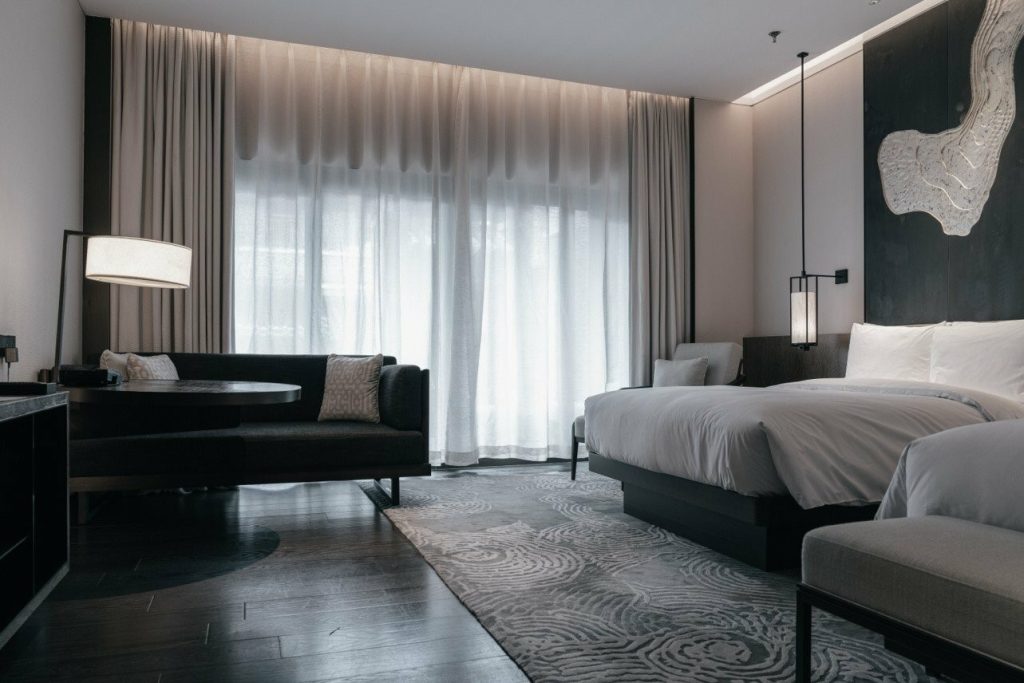
Choosing curtains and blinds in dubai requires more than matching colours with existing interiors. Owners should first examine window dimensions, sunlight exposure, room functions, and preferred operating methods. These details help narrow suitable materials, designs, opening systems, and installation approaches.Property owners planning new window treatments should assess several practical factors before ordering products. Dubai’s climate creates specific demands for shading, insulation, privacy, and durability throughout every season. Careful preparation can prevent unsuitable selections while improving comfort, appearance, and long-term value.
Property owners should evaluate architectural styles before selecting fabrics, slats, textures, or operating systems. Traditional villas may suit warmer materials, while contemporary apartments often benefit from cleaner profiles. The selected treatment should complement existing furniture, wall finishes, flooring, and architectural details.The strongest results come from combining appearance with measurable performance requirements. Owners should consider heat control, glare reduction, privacy, maintenance needs, and expected product lifespan. These factors become particularly important when selecting curtains and blinds in dubai for sun-exposed rooms.
1. Check Window Measurements Carefully
Accurate measurements form the foundation of successful window treatment installation. Incorrect dimensions can create unwanted gaps, uneven coverage, difficult operation, or poor visual alignment. Property owners should arrange professional measurements whenever windows have unusual shapes, deep frames, large dimensions, or challenging access.
Measurements should include width, height, frame depth, and available mounting space around each opening. Owners should also identify handles, vents, furniture, and architectural obstacles surrounding windows. Accurate records allow suppliers to recommend suitable mounting methods and product configurations.
2. Assess Sunlight and Heat Exposure
Dubai properties can experience strong sunlight through windows during different periods of the day. Understanding exposure patterns helps owners select suitable fabrics, coatings, slats, and lining options. Rooms receiving intense afternoon sunlight may require stronger solar control than naturally shaded areas.
Solar exposure also affects furniture, flooring, artwork, and decorative surfaces positioned near windows. Suitable window treatments can reduce direct glare while helping protect interior finishes from prolonged sunlight. Property owners should therefore assess sunlight before selecting products based solely upon colour.
3. Select Materials According to Room Functions
Different rooms require different material characteristics because their environmental conditions and daily activities vary considerably. Bedrooms may benefit from blackout fabrics, while kitchens require practical surfaces that can withstand frequent cleaning. Living rooms often need balanced daylight, privacy, and decorative appeal.
Bathrooms require additional consideration because moisture can affect unsuitable materials over time. Offices may prioritize glare control around computer screens and comfortable daytime lighting. Selecting materials according to room function creates better performance throughout the property.
4. Compare Styles With Existing Interiors
Window treatments should contribute to a cohesive interior rather than appearing visually disconnected from surrounding furnishings. Property owners should compare colours, textures, patterns, and finishes with existing walls, flooring, furniture, and decorative accessories. This approach supports a balanced interior throughout different rooms.
Modern properties may benefit from streamlined blinds with subtle textures and neutral finishes. Classic interiors can accommodate richer fabrics, layered treatments, or natural textures. When selecting curtains and blinds in dubai, owners should consider both current decoration and future interior changes.
5. Consider Privacy Requirements
Privacy requirements can vary significantly between bedrooms, bathrooms, living areas, offices, and ground-floor spaces. Properties facing busy roads or neighbouring buildings may require stronger privacy control throughout certain hours. Adjustable blinds can provide flexible control while retaining useful natural daylight.
Layered treatments can provide another solution where owners need both privacy and decorative softness. Curtains combined with suitable blinds can create different levels of coverage throughout the day. Property owners should identify privacy priorities before deciding upon individual window treatment designs.
6. Review Operating and Motorization Options
Modern window treatments can offer manual, cordless, motorized, remote-controlled, or automated operating options. Property owners should consider window accessibility, household routines, safety requirements, and smart-home preferences before selecting operating systems. Larger windows can particularly benefit from convenient automated controls.
Motorization may also support coordinated operation across multiple rooms and windows. Automated schedules can help manage sunlight during specific periods while improving everyday convenience. Owners should confirm compatibility between motors, controls, power arrangements, and existing smart-home systems before ordering.
7. Examine Installation Requirements
Installation quality can influence appearance, operation, stability, and product longevity. Property owners should confirm whether mounting will use walls, ceilings, recesses, brackets, tracks, or other suitable fixing methods. Installation planning should account for wall construction, window frames, and available mounting clearance.
Owners should ask suppliers how installation teams handle unusual windows or difficult access. They should also clarify whether measurement corrections are possible before manufacturing begins. Clear installation procedures reduce delays and help ensure the finished treatments operate correctly.
8. Compare Warranty and Maintenance Terms
Warranty conditions provide useful information about supplier confidence and expected product support. Property owners should review coverage periods, exclusions, hardware protection, motor warranties, fabric limitations, and repair procedures. Clear warranty terms can reduce uncertainty after installation.
Maintenance requirements should also influence purchasing decisions because different materials require different cleaning methods. Dust-resistant surfaces may simplify routine care in busy environments. Owners should request cleaning instructions before purchasing curtains and blinds in dubai for larger residential or commercial properties.
9. Request Detailed Quotations
A detailed quotation should clearly identify product types, dimensions, materials, accessories, installation costs, and applicable control systems. Property owners should avoid accepting vague pricing that makes later comparisons difficult. Written specifications provide a useful reference throughout ordering and installation.
Quotations should also identify estimated production and installation timelines where applicable. Owners managing renovations or property handovers need accurate scheduling information. Comparing detailed quotations helps distinguish differences in materials, services, warranties, and installation standards.
10. Confirm Supplier Support Before Ordering
Supplier support should extend beyond initial product selection because window treatments may require future adjustments or maintenance. Property owners should evaluate communication quality, measurement procedures, installation support, warranty handling, and after-sales assistance. Reliable support can simplify ownership throughout the product lifecycle.
Before placing an order, owners should confirm every specification in writing and retain the approved quotation. They should verify measurements, colours, materials, operating systems, installation dates, and warranty conditions. SmartLivingBlinds.ae can help property owners review suitable options according to their specific requirements.
FAQ
What should property owners check before ordering window treatments?
Owners should check measurements, sunlight exposure, room functions, privacy requirements, materials, operating systems, installation needs, warranties, and total pricing. Reviewing these factors helps ensure the selected treatments meet practical requirements while complementing the property’s existing interior design.
How does Dubai’s climate affect window treatment choices?
Dubai’s strong sunlight and high temperatures make solar control important for many properties. Suitable treatments can help reduce glare and manage indoor comfort while protecting furnishings from prolonged direct sunlight. Material selection should therefore reflect each room’s exposure and usage.
Should every room use the same window treatment style?
Using identical treatments throughout a property is not always necessary or practical. Bedrooms, kitchens, bathrooms, offices, and living spaces can have different functional requirements. Coordinating colours and finishes can maintain visual consistency while allowing suitable performance differences.
Are motorized window treatments suitable for large properties?
Motorized systems can provide convenient operation across larger properties containing numerous or difficult-to-reach windows. They can also support centralized controls and scheduled operation when compatible systems are selected. Owners should confirm electrical requirements and control compatibility before ordering.
Why should owners compare complete quotations before ordering?
Complete quotations reveal differences in materials, measurements, accessories, installation, warranties, and control systems. Comparing these details provides a clearer understanding of total costs. Property owners can then evaluate options based upon specifications rather than relying solely upon initial product prices.
Property owners should evaluate every practical detail before ordering curtains and blinds in dubai for residential or commercial spaces. Careful measurements, suitable materials, privacy planning, installation checks, warranty reviews, and detailed quotations can support better purchasing decisions. A structured approach helps create comfortable, functional, and visually coordinated interiors throughout 2027.