
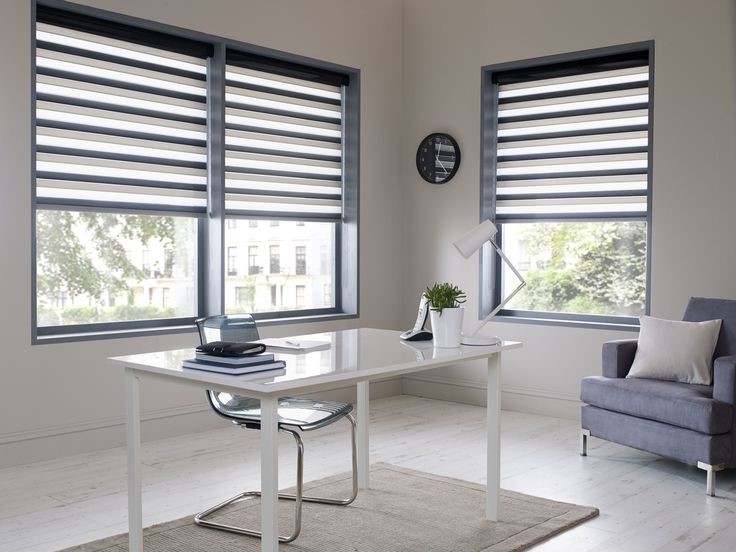
Office blinds in dubai increasingly focus on reducing energy consumption while maintaining comfortable workplace environments. Choosing suitable office blinds in dubai can support these goals through better sunlight and heat management. Companies should evaluate materials, insulation, automation, window orientation, and daily operating requirements before selecting suitable workplace window treatments. Careful planning can improve comfort while supporting long-term operational savings.
Modern commercial buildings receive significant sunlight throughout the year, creating challenging indoor temperature conditions. Effective office blinds in dubai can reduce excessive sunlight entering workspaces during intense daytime periods. Companies should therefore consider window exposure, glass specifications, room usage, and cooling requirements before choosing suitable blinds. These factors influence both workplace comfort and overall energy performance.
Assess Direct Sunlight Exposure
Every office receives sunlight differently because building orientation affects daily solar exposure. Office blinds in dubai should therefore match the direction and intensity of incoming sunlight. South-facing windows may receive stronger exposure during several periods throughout the day. Companies should assess these patterns before selecting fabrics, slats, colours, or automated operating schedules for each workplace.
Window exposure also changes according to surrounding buildings and external structures. Tall buildings can create temporary shade while reflective surfaces may increase incoming glare. Businesses should observe workplace conditions across different times before finalizing their window treatment choices. This approach helps identify areas requiring stronger solar control and more flexible light management solutions.
Choose Suitable Heat-Reducing Materials
Material selection plays an important role in controlling heat entering commercial interiors. Certain fabrics can reduce solar penetration while maintaining attractive workplace appearances. Companies should compare fabric thickness, reflective properties, opacity, and thermal performance before purchasing window coverings. Selecting suitable materials can help reduce cooling demands during particularly warm periods.
Reflective or solar-control fabrics can provide valuable benefits for offices with extensive glazing. These materials help manage incoming sunlight without completely eliminating natural daylight from working areas. Businesses should balance solar protection with employee preferences for brighter surroundings. The right material can therefore improve comfort without creating unnecessarily dark workplace conditions.
Consider Insulating Performance
Insulating properties should remain an important consideration when companies evaluate energy-conscious window treatments. Well-selected blinds can create an additional barrier between indoor spaces and heated window surfaces. This barrier may help reduce unwanted heat transfer during demanding summer conditions. Businesses should compare construction quality alongside appearance, durability, and operational convenience.
Different window coverings provide different levels of thermal protection throughout changing weather conditions. Companies should evaluate how each option performs during hot afternoons and cooler periods. Good insulation can support consistent indoor temperatures while reducing pressure on cooling systems. Businesses should therefore examine performance information before making purchasing decisions.
Evaluate Automated Blind Controls
Automation can improve energy management by adjusting blinds according to changing daylight conditions. Smart controls can operate window coverings without requiring employees to adjust them manually. Businesses can establish schedules that reduce direct sunlight during peak periods while preserving useful daylight. This approach can support efficient workplace management throughout operating hours.
Sensors can further improve automated control by responding to sunlight and indoor conditions. Automated systems may close blinds when strong sunlight reaches sensitive work areas. They can later reopen coverings when natural illumination becomes more suitable. Companies should consider compatibility with existing building controls before installing advanced automated window treatments.
Balance Daylight With Workplace Comfort
Natural daylight can create attractive and productive office environments when properly managed. However, excessive brightness may cause glare across computer screens and shared work surfaces. Companies should select blinds that provide adjustable light control without unnecessarily blocking useful daylight. This balance supports comfortable working conditions while maintaining a pleasant visual environment.
Employees often require different lighting conditions depending on their tasks and workplace positions. Meeting rooms may need stronger glare control than corridors or reception areas. Smartlivingblinds,ae Private offices may require adjustable privacy alongside sunlight management. Businesses should therefore consider each room’s function before applying identical window treatment specifications throughout commercial premises.
Compare Different Blind Designs
Different blind designs provide different combinations of privacy, daylight control, and thermal performance. Companies should compare roller, Venetian, vertical, and specialist solar-control options before deciding. Each design can suit specific workplace layouts and operational requirements. Comparing several options allows businesses to identify solutions offering practical performance alongside suitable visual appeal.
Roller blinds can provide clean lines and straightforward operation across modern commercial interiors. Venetian designs offer adjustable slats that provide flexible control over incoming sunlight. Vertical options can work effectively across larger windows and wide glazed areas. Businesses should consider window dimensions, maintenance needs, and employee preferences before selecting designs.
Consider Window Glass Specifications
Blind performance depends partly on the characteristics of the windows being covered. Modern offices may contain double glazing, coated glass, large panels, or specialized solar-control glazing. Companies should understand existing window specifications before choosing additional treatments. Combining appropriate glazing with suitable blinds can improve overall temperature and light management.
Businesses should identify windows creating the greatest heat or glare problems throughout daily operations. These areas may require stronger solar-control fabrics or automated systems. Other windows may need only basic privacy and daylight adjustment. Targeted selection can prevent unnecessary spending while improving energy management across important workplace areas.
Review Maintenance and Durability
Energy-efficient blinds should remain effective throughout their expected service life. Companies should therefore consider fabric durability, operating mechanisms, cleaning requirements, and replacement accessibility. Low-maintenance solutions can reduce disruption while helping workplace facilities remain attractive. Durable construction may also provide better value when blinds are used extensively every working day.
Dust accumulation can affect the appearance and operation of workplace window coverings. Regular cleaning helps preserve fabric quality and smooth mechanical movement. Businesses should establish practical maintenance routines after installation. Selecting materials that tolerate frequent cleaning can simplify long-term management and reduce unnecessary replacement requirements for busy commercial environments.
Compare Costs With Long-Term Benefits
Initial purchase prices should not represent the only financial consideration when comparing energy-conscious blinds. Businesses should also evaluate durability, maintenance, automation, and potential cooling-related savings. A slightly higher initial investment may provide stronger long-term value when performance remains reliable. Companies should therefore compare complete ownership costs rather than purchase prices alone.
Energy management improvements can become more valuable across offices operating extensive cooling systems. Effective sunlight control may reduce unnecessary cooling demand during intensely bright periods. Businesses should monitor indoor conditions after installation to understand actual performance. This information can help facilities teams identify adjustments that improve efficiency without affecting employee comfort.
Select a Reliable Installation Partner
Professional installation can influence how effectively workplace blinds operate after purchase. Incorrect measurements or poor fitting can create gaps that reduce sunlight control and visual consistency. Companies should therefore select experienced installation specialists familiar with commercial requirements. Accurate fitting helps ensure blinds operate smoothly while providing appropriate coverage across workplace windows.
SmartLivingBlinds.ae can help businesses evaluate suitable solutions according to workplace requirements and design preferences. Companies should discuss window measurements, sunlight exposure, automation preferences, material choices, and maintenance expectations before ordering. Clear communication can reduce installation issues and support better results. Businesses should also request practical guidance for operating and maintaining their selected systems.
Energy-Efficient Blind Planning for Dubai Offices
Energy-conscious office design requires more than simply selecting attractive window coverings. Companies should consider sunlight exposure, glazing, insulation, automation, maintenance, and employee comfort together. This broader approach helps businesses create workplace environments that remain functional throughout changing daily conditions while supporting responsible energy management.
Dubai’s climate makes effective sunlight management particularly valuable for commercial buildings. Strong solar exposure can increase indoor temperatures and create uncomfortable glare across desks and displays. Properly selected window coverings can help manage these conditions while preserving useful daylight. Businesses should therefore treat blinds as part of broader workplace environmental planning.
Conclusion
Energy-efficient window treatments can support comfortable, attractive, and more responsible workplaces across Dubai. Companies should carefully evaluate materials, insulation, automation, sunlight exposure, maintenance, and installation quality before deciding. Well-planned office blinds in dubai can help manage glare and solar heat while supporting better workplace comfort and practical energy management throughout 2027.
FAQ
How can office blinds improve energy efficiency?
Suitable blinds can reduce direct sunlight entering workplaces during intense daytime periods. This may help limit unwanted heat accumulation indoors. Reduced heat gain can support cooling systems by lowering some unnecessary temperature loads. Performance depends on window specifications, material selection, installation quality, building orientation, and daily operating practices.
Which blinds are suitable for Dubai offices?
Suitable options depend on window size, sunlight exposure, privacy requirements, and workplace design. Solar-control roller blinds can work effectively where glare reduction is important. Venetian and vertical designs can provide adjustable light management. Companies should assess each room individually rather than selecting one identical solution for every office area.
Are automated blinds useful for commercial buildings?
Automated blinds can provide convenient control over sunlight throughout the working day. Sensors and schedules can adjust coverings according to changing environmental conditions. This can reduce manual operation and support consistent sunlight management. Businesses should verify compatibility with existing control systems before choosing automated workplace window treatment solutions.
What should companies check before ordering blinds?
Companies should check measurements, window orientation, glass specifications, sunlight exposure, material quality, maintenance requirements, and control preferences. They should also consider privacy and workplace lighting requirements. Reviewing these factors together helps businesses select practical solutions. Professional measurement can further reduce fitting problems and unnecessary installation complications.
Can energy-efficient blinds reduce office cooling requirements?
Appropriate blinds can help manage solar heat entering through office windows. Reduced solar exposure may support cooling systems during periods of strong sunlight. However, actual energy savings depend on building design, glazing, insulation, climate conditions, and operating practices. Businesses should evaluate overall building performance rather than expecting identical results everywhere.