
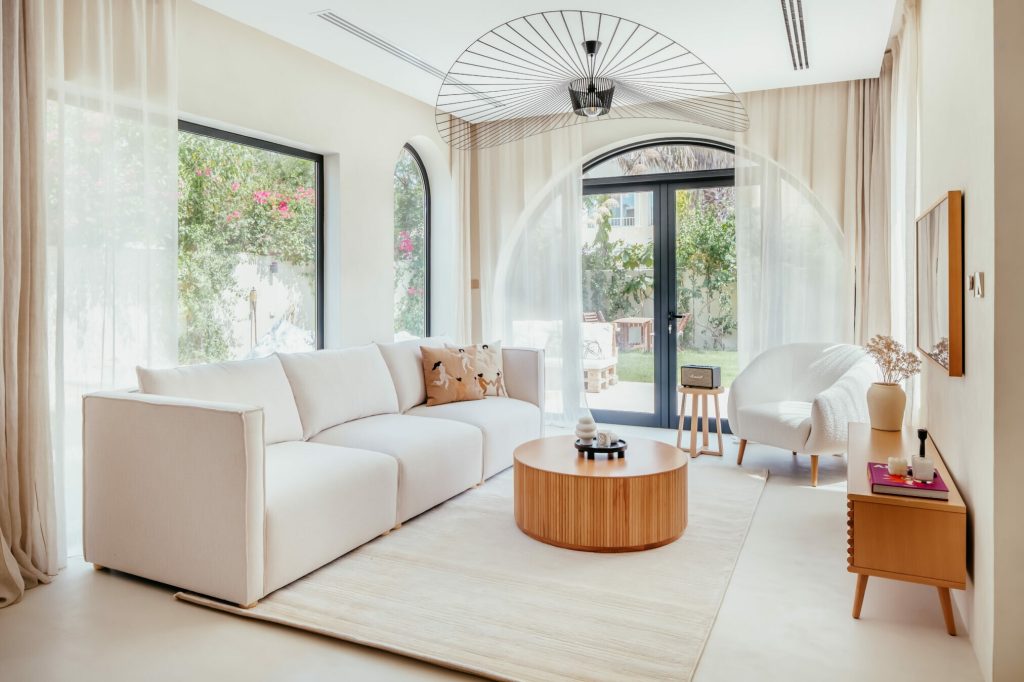
Choosing suitable curtains and blinds in uae requires careful planning before purchasing any products. Many homeowners focus only on appearance, overlooking measurements, materials, sunlight exposure, maintenance requirements, and installation quality. Avoiding these mistakes creates better long-term value.Natural-looking materials may create warmth and sophistication within residential interiors. However, some materials require more careful maintenance than synthetic alternatives under demanding conditions. Homeowners across the UAE increasingly seek practical window coverings that improve comfort, privacy, and interior appearance.
Homeowners should discuss expected usage, room conditions, and cleaning routines before deciding which material provides practical everyday performance.Bedrooms may require stronger light blocking for comfortable sleeping during bright mornings. Living rooms might benefit from adjustable light control while maintaining outdoor visibility throughout daytime hours. Kitchens and curtains and blinds in uae bathrooms often require materials that handle humidity and frequent cleaning without deteriorating quickly.
1. Ignoring Accurate Window Measurements
Incorrect measurements remain one of the most expensive mistakes homeowners make when purchasing window coverings. Curtains and blinds in UAE must fit each window accurately to operate properly and maintain an attractive appearance. Small measurement errors can create unwanted gaps, uneven coverage, difficult operation, and additional replacement expenses after installation is completed.
Windows may have different dimensions throughout the same property, especially within villas and larger residences. Homeowners should measure every window individually instead of assuming identical dimensions. Professional measurements can also identify unusual frames, handles, recesses, and installation limitations before products are ordered for manufacturing.
2. Choosing Style Before Considering Function
Beautiful window coverings can still disappoint when their functionality does not match household requirements. Curtains and blinds in UAE should support privacy, sunlight management, temperature comfort, and everyday convenience. Homeowners should therefore consider how each room operates before selecting colours, patterns, fabrics, or blind designs based purely upon visual preferences.
3. Overlooking UAE Climate Conditions
The UAE climate creates demanding conditions for fabrics, mechanisms, and window-facing materials throughout much of the year. Homeowners selecting curtains and blinds in UAE should consider intense sunlight, heat, dust, and ultraviolet exposure before purchasing specific products. Materials designed without environmental suitability can fade, weaken, or require frequent maintenance.
Rooms receiving direct afternoon sunlight may need stronger solar protection than shaded spaces. Heat-resistant and UV-conscious materials can help protect furniture, flooring, artwork, and decorative finishes. Considering sun direction and window exposure helps homeowners select solutions according to actual conditions rather than general assumptions.
4. Selecting Materials Without Comparing Performance
Different curtain and blind materials offer different advantages, maintenance requirements, appearances, and durability levels. Homeowners should compare material performance instead of selecting products according to colour or texture alone. Fabric density, moisture resistance, cleaning requirements, light filtering, and resistance to fading can influence satisfaction over several years.
5. Focusing Only on the Cheapest Price
Price is important, but choosing solely according to the lowest quotation can create unexpected expenses later. Curtains and blinds in UAE involve product quality, measurements, manufacturing, installation, mechanisms, warranties, and after-sales support. A cheaper initial price may not represent better value when components require frequent replacement or adjustment.
Homeowners should request detailed quotations showing product specifications and included services clearly. Comparing several quotations helps identify differences in materials, operating systems, installation standards, and warranty coverage. This approach provides greater clarity before committing to a particular window-covering solution for any residential project.
6. Forgetting About Light Control Requirements
Every room has different lighting requirements, so homeowners should avoid selecting identical coverings throughout an entire property. Bedrooms may need substantial darkness, while family areas could require softer filtered daylight. Study rooms might need glare smartlivingblinds.ae reduction, especially where computers, televisions, or other screens are regularly used during daytime.
Blackout solutions can provide stronger darkness and privacy where appropriate for bedrooms. Light-filtering options can maintain brightness while reducing harsh sunlight in shared living areas. Homeowners should assess daily routines and sunlight intensity before choosing the level of light control required for every room.
7. Neglecting Privacy and Property Orientation
Privacy requirements often change according to floor level, neighbouring buildings, street visibility, and property orientation. Homeowners should examine these factors before choosing curtains or blinds for different rooms. Properties facing busy roads may require stronger privacy control than homes overlooking private gardens or open landscapes.
Ground-floor rooms commonly require careful daytime and nighttime privacy planning. Adjustable blinds can provide flexible control without completely blocking natural daylight during daytime periods. Combining suitable fabrics and operating systems can help homeowners maintain privacy while preserving a comfortable and welcoming interior environment.
8. Choosing Designs That Conflict With Interior Décor
Window coverings represent a significant visual element, so unsuitable colours or patterns can disrupt an otherwise balanced interior. Homeowners should consider existing walls, furniture, flooring, lighting, and decorative finishes before selecting curtain or blind designs. Neutral tones can provide flexibility, while carefully chosen patterns may create stronger visual interest.
Modern UAE homes often combine contemporary furniture with warm decorative elements and practical materials. Homeowners should consider whether selected window coverings complement the property’s existing design language. Samples viewed under actual indoor lighting can provide better guidance than relying solely on photographs or showroom displays.
9. Ignoring Motorization and Smart Controls
Technology has become increasingly relevant to modern residential window-covering decisions throughout the UAE. Homeowners should consider motorized options when accessibility, convenience, large windows, or smart-home integration creates practical benefits. Automated systems can simplify operation while providing coordinated control across multiple rooms or difficult-to-reach windows.
Motorization may be particularly useful for tall windows, expansive glazing, and properties with numerous coverings. Homeowners should confirm available controls, power requirements, safety features, and compatibility before purchasing automated systems. Planning technology during the initial design stage can prevent unnecessary modifications during later installation.
10. Failing to Plan Installation and Maintenance
Purchasing quality products does not guarantee satisfactory performance when installation is poorly planned or maintenance requirements are ignored. Homeowners should confirm installation procedures, mounting requirements, operating instructions, cleaning methods, and warranty conditions before finalising their purchase. Proper planning supports reliable performance and helps preserve the appearance of window coverings.
Professional installation can help ensure brackets, tracks, rails, and operating mechanisms are positioned correctly. Homeowners should also understand how frequently fabrics and mechanisms require cleaning or inspection. A straightforward maintenance routine can reduce accumulated dust and help window coverings remain attractive throughout regular residential use.
11. Consider Room-Specific Requirements
A successful window-covering plan should treat each room according to its purpose, exposure, and household activities. Bedrooms, lounges, dining areas, kitchens, offices, and children’s rooms can require different combinations of privacy and light control. Homeowners should therefore avoid purchasing identical products without assessing each space individually.
Large living areas may benefit from coordinated designs that cover multiple windows consistently. Bedrooms may prioritise darkness and privacy over decorative openness. Home offices can require glare management around computer screens, while children’s spaces may benefit from simple, safe, and easy-to-operate systems.
12. Compare Suppliers Before Making Decisions
Homeowners should compare suppliers using more than photographs, advertised prices, or attractive showroom displays. Product specifications, measurement services, installation standards, warranties, customization options, and customer support can significantly influence the overall purchasing experience. Asking detailed questions before ordering can prevent misunderstandings after products arrive.
A reliable supplier should explain available materials, operating mechanisms, measurements, installation requirements, and expected maintenance clearly. Homeowners should request samples where possible and evaluate them within their actual rooms. This process makes it easier to understand how colours, textures, and light-filtering properties appear under different conditions.
13. Think About Long-Term Value
Window coverings should be considered as long-term interior investments rather than temporary decorative purchases. Homeowners should evaluate durability, usability, maintenance, replacement requirements, and changing household needs before selecting products. Spending slightly more initially may provide better functionality when products remain suitable for several years.
Long-term planning becomes especially important for newly constructed villas and renovated properties. Homeowners can coordinate window-covering designs with furniture, lighting, wall finishes, and smart-home systems. This approach reduces future changes and creates a more consistent interior environment throughout the property.
14. Consider Child and Pet Safety
Safety should remain an important consideration when choosing window-covering systems for family homes. Homeowners should assess operating cords, accessible mechanisms, mounting strength, and furniture placement around windows. Products should be selected and installed according to appropriate safety considerations for children and pets living within the property.
Cordless and motorized operating options can reduce certain accessibility concerns within suitable residential environments. Furniture should also be positioned carefully around windows and operating mechanisms. Homeowners should discuss household safety requirements with their supplier before selecting mechanisms for bedrooms, nurseries, playrooms, and family spaces.
15. Avoid Making Decisions Without Samples
Digital images can make colours and materials appear different from their actual appearance. Homeowners should inspect physical samples before making significant purchasing decisions whenever possible. Natural daylight, artificial lighting, wall colours, and surrounding furniture can influence how fabrics and finishes appear inside residential spaces.
Samples also allow homeowners to assess texture, thickness, transparency, and overall material quality. Placing samples near the actual windows can reveal how sunlight affects appearance throughout different times of day. This simple step can reduce disappointment and improve confidence before finalising the complete order.
16. Plan According to the Entire Property
A property can benefit from coordinated window coverings without requiring every room to use identical products. Homeowners should create a complete plan considering bedrooms, living areas, bathrooms, kitchens, balconies, and home offices. Coordinating colours and operating systems can create visual consistency while maintaining different functional requirements.
Large villas may require several product categories because window sizes, sunlight exposure, and room functions vary considerably. Planning everything together can also simplify measurements, installation scheduling, colour coordination, and budgeting. Homeowners should discuss the entire property before ordering individual products separately.
17. Understand Warranty and After-Sales Support
Warranty terms can vary according to product type, operating mechanism, material, and supplier policies. Homeowners should understand what the warranty covers before placing an order. Questions should address manufacturing defects, mechanisms, installation concerns, repairs, exclusions, and expected response procedures for future service requirements.
After-sales support can become especially important when motorized systems or customized installations are involved. Homeowners should retain invoices, product information, installation details, and warranty documentation after completing the purchase. Keeping these records can simplify future maintenance, servicing, or replacement discussions.
18. Budget for the Complete Project
Homeowners sometimes calculate product costs without considering measurement, installation, customization, automation, accessories, or future maintenance. A complete budget should account for all expected expenses before purchasing. This approach prevents unexpected costs and makes comparisons between different window-covering solutions more transparent.
Homeowners should identify priority rooms when working with a specific budget. Bedrooms and high-exposure rooms might receive more advanced solutions first, while other areas can use simpler designs. A planned budget allows homeowners to balance appearance, performance, durability, and convenience without making rushed decisions.
19. Make an Informed Buying Decision
Avoiding common mistakes helps UAE homeowners create window-covering solutions that remain practical, attractive, and comfortable. Careful measurements, climate-appropriate materials, suitable light control, privacy planning, professional installation, and realistic budgeting all contribute to better results. Homeowners should evaluate complete requirements rather than choosing products based only on appearance or price.
Smart planning can also improve daily convenience through motorization, coordinated designs, and suitable operating systems. By considering each room separately, homeowners can achieve consistent interiors without sacrificing individual functional requirements. Careful supplier comparison further supports informed decisions and reduces the likelihood of costly changes later.
FAQ
How should homeowners choose suitable window coverings for UAE homes?
Homeowners should consider sunlight, heat, privacy, room function, maintenance, interior décor, and window dimensions. Each room may require different light-control levels and materials. Professional advice can help identify suitable combinations based on actual property conditions and household requirements.
Are blackout window coverings suitable for every room?
Blackout solutions are particularly useful for bedrooms, media rooms, and spaces requiring stronger darkness. However, living rooms and dining areas may benefit from light-filtering products instead. Homeowners should select darkness levels according to each room’s purpose and daily activities.
Should homeowners consider motorized window coverings?
Motorized systems can provide convenient operation for large, tall, or difficult-to-reach windows. They may also support smart-home routines and centralized control. Homeowners should consider power requirements, controls, safety features, compatibility, and long-term maintenance before choosing automated solutions.
How can homeowners avoid choosing unsuitable materials?
Homeowners should compare samples, durability, cleaning requirements, sunlight exposure, moisture resistance, and expected usage. Materials should suit the specific room and local environmental conditions. Testing samples under actual lighting can also help homeowners understand colour, texture, transparency, and appearance.
What should homeowners check before ordering?
Homeowners should verify measurements, product specifications, installation services, operating mechanisms, warranty coverage, maintenance requirements, and total pricing. They should also confirm expected completion timelines and customization details. Reviewing everything before approval helps reduce misunderstandings and supports smoother installation.