
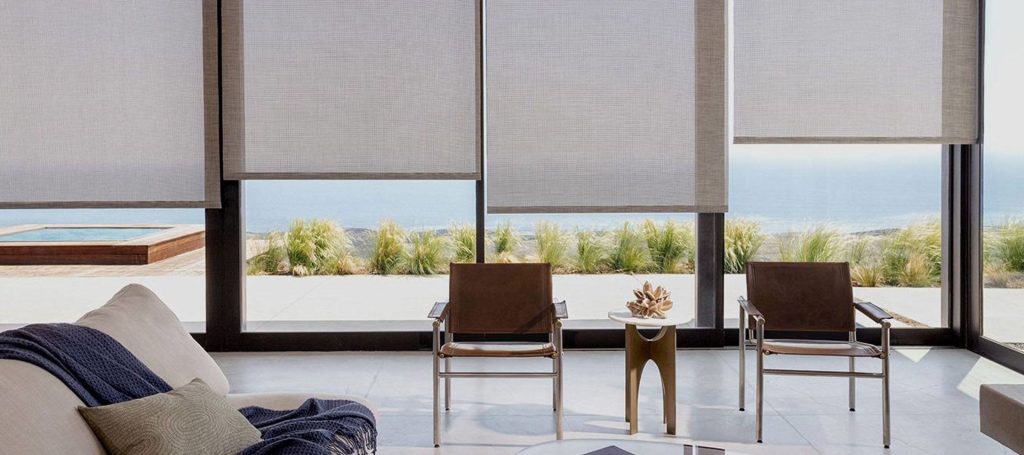
Roller blinds in Dubai offer flexible colour choices that can complement contemporary furniture, flooring, walls, and architectural details. Smart colour selection can create elegant spaces while supporting privacy, light management, and visual comfort.Modern UAE interiors increasingly combine sophisticated colours, practical materials, and carefully balanced decorative elements. In 2027, window treatments can strongly influence overall room character.
Choosing suitable window colours requires understanding the room’s existing palette and natural lighting conditions. Roller blinds in Dubai can either blend subtly with interiors or create attractive focal points. Neutral shades remain popular, while warmer tones, muted greens, soft blues, and sophisticated charcoal can introduce contemporary personality without overwhelming the surrounding decoration.
1. Why Colour Matters in Modern Interior Design
Colour influences how spacious, comfortable, and visually balanced an interior appears throughout different times. Window coverings occupy significant wall space, making their colours especially noticeable within modern rooms. Can therefore become important decorative elements, rather than simply practical window accessories for homes and offices.Modern décor often focuses on clean lines, restrained patterns, and coordinated colour combinations across rooms.
2. Soft Beige for Warm Contemporary Interiors
Soft beige remains an excellent choice for interiors featuring natural textures and warm neutral furniture. Roller blinds in Dubai with beige tones can create seamless transitions between windows, walls, and surrounding decorative surfaces. This approach works particularly well with cream sofas, wooden furniture, stone flooring, and subtle metallic accents.Beige also offers flexibility when homeowners regularly update cushions, artwork, rugs, or decorative accessories.
3. Crisp White for Minimalist Décor
White window coverings can complement minimalist interiors where brightness and simplicity remain important design priorities. Roller blinds in Dubai featuring clean white shades can visually merge with pale walls and ceilings. This combination can make windows appear wider while supporting a fresh, uncluttered atmosphere throughout contemporary living spaces.White works particularly well alongside light oak, marble, brushed metal, and neutral upholstery.
4. Elegant Grey for Sophisticated Spaces
Grey offers exceptional versatility for contemporary interiors because it balances warmth and coolness effectively. Roller blinds in Dubai using sophisticated grey shades can complement charcoal furniture, concrete finishes, metallic details, and monochromatic decorative schemes. Different grey tones can create depth without introducing unnecessary visual complexity.Light grey can make compact rooms appear brighter and more open, while deeper shades create stronger contrast.
5. Earthy Green for Biophilic Interior Trends
Muted green shades can introduce natural character while supporting the growing popularity of biophilic interior design. Roller blinds in Dubai featuring sage, olive, or eucalyptus tones can complement indoor plants and natural wood finishes beautifully. These colours can create relaxing environments without appearing smartlivingblinds.ae overly colourful or traditional.Earthy greens work especially well with beige, cream, warm white, and natural stone surfaces.
6. Soft Blue for Calm and Airy Rooms
Soft blue can create an airy atmosphere while introducing subtle colour into otherwise neutral contemporary interiors. Roller blinds in Dubai featuring powder blue, dusty blue, or muted aqua can complement coastal-inspired and modern minimalist decorations. These shades work particularly well when natural daylight remains an important room feature.Blue window treatments can coordinate with white walls, pale wood, silver fixtures, and light upholstery.
7. Charcoal for Bold Contemporary Contrast
Charcoal blinds can create striking contrast when surrounding interiors feature lighter walls and furniture. Roller blinds in Dubai using charcoal fabrics can strengthen architectural lines while delivering a sophisticated appearance. This option suits modern offices, entertainment rooms, luxury apartments, and bedrooms requiring stronger visual definition.Dark colours can also improve perceived privacy when windows face neighbouring buildings or busy surroundings.
8. Terracotta and Warm Accent Shades
Terracotta can introduce warmth into interiors dominated by neutral materials and minimalist furniture. Roller blinds in Dubai with muted terracotta shades can complement clay accessories, warm timber, cream upholstery, and natural stone surfaces. The result can feel welcoming while remaining aligned with contemporary decorative preferences.Terracotta should usually remain controlled rather than dominating the entire colour scheme.
9. Matching Blinds With Existing Interior Elements
Successful colour coordination begins by examining the room’s permanent finishes before selecting window treatment colours. Walls, flooring, countertops, cabinetry, sofas, and major furniture pieces should establish the primary decorative direction. Window coverings can then reinforce those colours through complementary, contrasting, or closely matching shades.Consider the amount of sunlight entering the room throughout different periods of each day.
10. Choosing Colours for Different UAE Rooms
Living rooms can benefit from warm neutrals, soft grey, muted green, or sophisticated blue shades. Bedrooms often suit calming colours that support restful surroundings and understated decoration. Kitchens may benefit from practical neutral shades that coordinate with cabinets, counters, backsplashes, and modern appliances.Home offices can accommodate stronger colours when creating an energetic yet professional atmosphere.
FAQ
Which blind colours are most suitable for modern interiors?
Neutral beige, soft white, grey, muted green, and dusty blue remain versatile options for modern interior decoration. These colours coordinate easily with contemporary furniture, natural materials, metallic finishes, and minimalist accessories. The best choice ultimately depends upon room lighting, existing finishes, personal preferences, and desired visual contrast.
Can dark blinds work inside smaller rooms?
Yes, dark blinds can work effectively when balanced with lighter walls, furniture, and sufficient lighting. Charcoal and deep grey can create attractive contrast without overwhelming the room when carefully coordinated. Smaller rooms may benefit from medium tones when homeowners prefer a lighter and more spacious visual appearance.
Should blinds match the wall colour?
Blinds do not necessarily need to match walls exactly because complementary colours can create greater visual interest. Closely related shades can produce seamless continuity, while contrasting tones can highlight windows as architectural features. The preferred approach depends upon whether the homeowner wants subtle integration or stronger decorative emphasis.
Which colours suit offices and professional spaces?
Soft grey, white, beige, charcoal, and muted blue can work particularly well within contemporary professional environments. These colours create polished surroundings without introducing distracting visual elements. Stronger accent colours can also work when they coordinate with branding, furniture, artwork, or other established office design features.
How can homeowners choose colours confidently before installation?
Homeowners should compare physical fabric samples against walls, flooring, furniture, and decorative finishes under natural daylight. Photographs can sometimes distort colours because screens display shades differently across devices. Professional advice can further help evaluate colour coordination, light control, privacy requirements, maintenance needs, and overall interior suitability.